
DSP Tuning & Calibration
DSP tuning corrects the problems a car's cabin creates. A digital signal processor lets an installer set level, crossover points, equalisation and…
Read about dsp tuning and calibration →What is OEM audio integration?
OEM audio integration upgrades a car's sound without replacing the factory head unit. The signal is taken from the existing system, processed and amplified, then sent to new speakers — so the factory screen, steering-wheel controls, chimes, parking sensors and vehicle settings keep working exactly as they did. It is the usual approach in modern cars where the screen controls far more than music.
In most cars built in the last decade, the centre screen is not a stereo. It is the interface for climate control, reversing cameras, driver assistance settings, service menus and vehicle warnings. Replacing it to improve sound quality trades away function you use daily.
OEM-conscious integration takes the opposite approach. The factory interface stays exactly where it is, and the upgrade happens downstream of it — signal capture, processing, amplification and speakers. The car still looks and operates as it left the factory; what changes is what you hear.
How this is done varies enormously between manufacturers. Some cars offer a clean digital signal at an accessible connector. Others require capturing a processed, equalised signal from a factory amplifier and undoing that processing before anything useful can be done with it. Which situation your car is in is something we determine at inspection.
| What it is | Sound upgrade downstream of the factory head unit |
|---|---|
| You keep | Factory screen, steering controls, chimes, cameras, vehicle settings |
| Method | Signal capture, de-equalisation where required, DSP processing, amplification |
| Common on | BMW, Mercedes-Benz, Audi, Volvo, Porsche, Land Rover, Lexus, and modern mainstream cars |
| Determined at | Vehicle inspection — architecture differs by make, model and year |
| Approach | OEM-conscious integration and factory-style fit and finish, where technically feasible |
| Pricing | Quoted after the vehicle's audio architecture is assessed |
A transparent process, so you know what happens to your car and why.
We identify what system your car actually has — how many channels, whether a factory amplifier is present, what processing it applies, and where a clean signal is available.
Based on that architecture we choose how to interface: digital tap where available, high-level capture with de-equalisation where not.
Factory systems often apply equalisation and dynamic processing tuned for the original speakers. Where present, this is measured and corrected before new processing is applied.
A DSP amplifier takes over crossover, equalisation and time alignment; new amplification drives the upgraded speakers.
Speakers are fitted using an approach planned for that model, aiming at factory-style fit and finish where technically feasible.
The system is measured and tuned at the listening positions, exactly as for any other build. See DSP tuning.
We confirm the factory functions you rely on still behave as expected, then walk you through the result.
We would rather tell you the limits up front than have you discover them afterwards. Anything we cannot honestly promise before seeing your vehicle, we say so.
Replacing the head unit swaps the factory screen for an aftermarket one. In older cars that is often fine. In modern cars the screen also runs climate, cameras and vehicle settings, so replacing it removes function. OEM integration leaves the screen alone and upgrades everything downstream — you keep the car's interface and gain the sound quality.
That is the intent of the approach: because the factory head unit stays in place, the functions routed through it normally continue to work. We confirm behaviour on your specific vehicle at inspection and check it again after installation. We do not guarantee outcomes for a car we have not seen.
Often yes, though the starting point is higher. Branded factory systems vary widely in speaker quality, amplifier capability and how much processing is applied. The honest answer for your specific car comes from listening to it and measuring it — which is what the consultation is for. If we think the gain would be marginal for the spend, we will say so.
How reversible any installation is depends on the method the vehicle allows and the scope of the work. Some interfaces are essentially plug-in; others require more permanent changes. We tell you which category your car falls into before work starts. We do not describe any installation as fully reversible as a blanket claim.
The integration principles are the same, but the context differs. Electric cars have no engine noise masking the system, which exposes road and wind noise and makes the quality of the tune more obvious. High-voltage systems also demand care about routing and where power is taken from. Both are handled at the planning stage.
The studio is at Shop No. 703/4, 3rd Block, Behind Koramangala BDA Complex, Koramangala. Customers regularly travel from across the city.
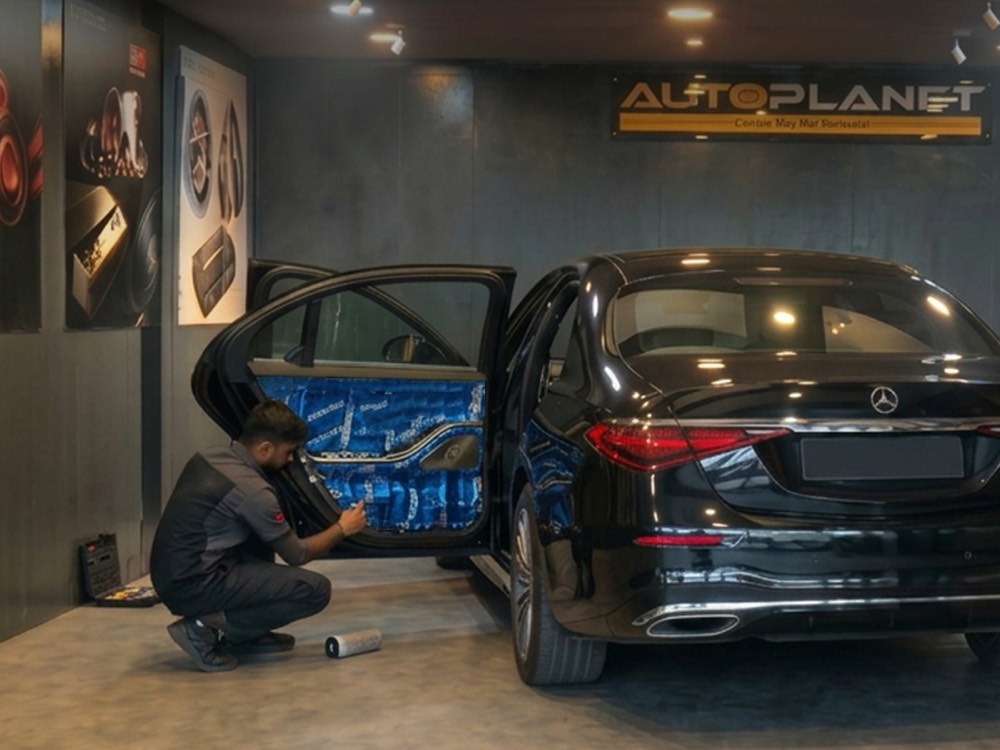
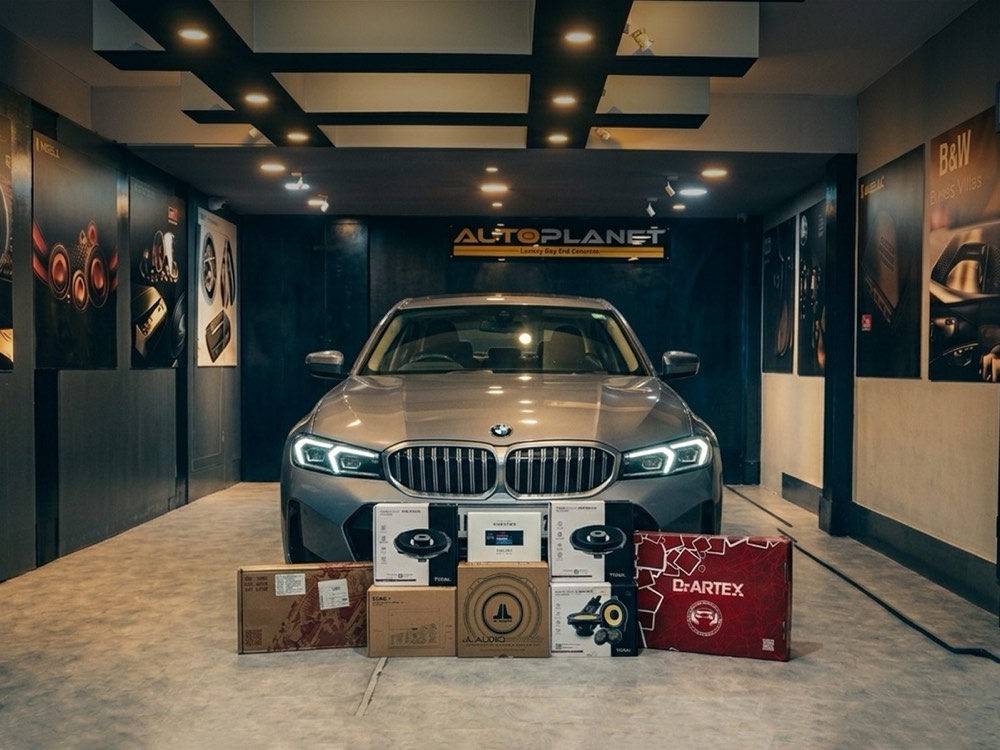
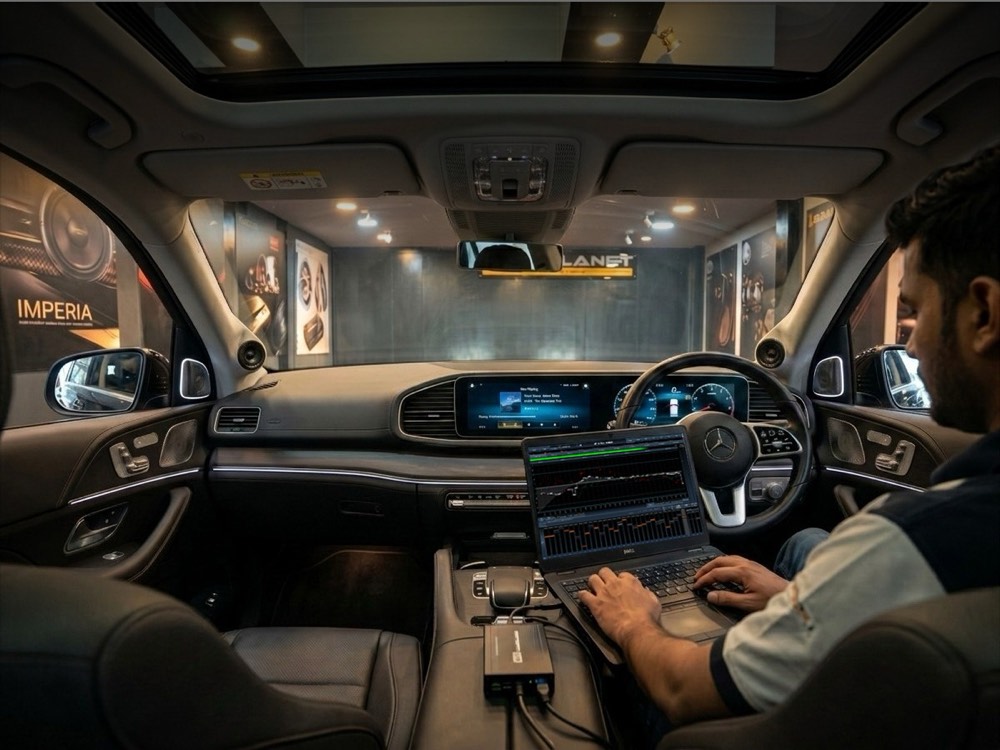
Installations carried out at the Koramangala studio.
DSP tuning corrects the problems a car's cabin creates. A digital signal processor lets an installer set level, crossover points, equalisation and…
Read about dsp tuning and calibration →A custom car audio installation is a sound system designed around one specific vehicle rather than sold as a fixed package. At Autoplanet in…
Read about car audio installation →It depends on what you are trying to fix. Damping is highly effective at two things: stopping door and panel resonance that muddies speaker output,…
Read about sound deadening →Every quote follows a consultation, because scope depends on your car, your priorities and what we find at inspection. Bring the car in and we will walk you through the options.